






Storing seasonal clothes efficiently can save you space, protect your garments, and make wardrobe changes easier throughout the year. Whether you’re rotating winter coats for summer dresses or packing away bulky sweaters, having a smart system in place will keep your clothes in good condition and your home organized. This guide shares practical strategies to help you store seasonal clothes efficiently, no matter the size of your living space.
Why Efficient Seasonal Storage Matters
Seasonal clothes can take up a lot of room if left unmanaged. Storing them efficiently helps you:
– Maximize closet and storage space
– Prevent damage from moisture, pests, and wrinkles
– Make seasonal transitions smoother
– Keep clothes clean and ready to wear
With the right approach, even small apartments can manage seasonal wardrobes without clutter.
Step 1: Sort and Declutter Before Storing
Before storing your clothes, it’s essential to sort through them:
– Assess what to keep: Only store items you plan to wear next season. Donate, recycle, or repurpose anything you haven’t worn in over a year.
– Repair damaged items: Fix buttons, seams, or small tears to avoid bigger problems later.
– Clean everything: Wash or dry clean garments to remove dirt, oils, and stains that can attract pests or cause discoloration while stored.
Decluttering first will reduce your storage needs and make locating items easier when the season changes.
Step 2: Choose the Right Storage Containers
The containers you use play a big role in preserving your clothes:
– Clear plastic bins: These allow you to see contents easily and protect against moisture and pests. Look for bins with tight-fitting lids for the best protection.
– Breathable cotton bags: Ideal for delicate fabrics like wool and silk, these bags prevent mildew by allowing air circulation.
– Vacuum-sealed bags: Great for bulky items such as winter coats and comforters, vacuum bags save space by compressing clothes. However, avoid using them for delicate or natural fibers that need to breathe.
– Suitcases or under-bed storage: These can be used if you’re short on closet space, just make sure clothes are clean and dry before packing.
Label all containers clearly to make seasonal wardrobe swaps faster.
Step 3: Prepare Clothes Properly for Storage
To keep clothes in good condition:
– Fold clothes neatly: Avoid hanging heavy garments like sweaters as they can lose shape; instead, fold them flat.
– Use acid-free tissue paper: For delicate fabrics, place tissue paper between folds to prevent creases and protect fibers.
– Add natural pest repellents: Items like cedar blocks or lavender sachets help deter moths without harsh chemicals. Replace these regularly to maintain effectiveness.
– Avoid plastic dry-cleaning bags: These can trap moisture and cause mildew; remove garments from them before storing.
Step 4: Find the Best Storage Location
Where you store seasonal clothes affects their condition:
– Cool, dry, and dark: Aim for a spot free from extreme temperatures, humidity, and direct sunlight. Basements and attics may not always be ideal due to moisture or temperature fluctuations.
– Off the floor: Store bins on shelves or pallets to prevent moisture damage and allow airflow underneath.
– Avoid areas near heating or air conditioning vents: These can dry out fabrics or create damp conditions.
Regularly check stored clothes for signs of moisture or pests.
Step 5: Organize and Maintain Your Stored Clothes
Organization helps when seasons change:
– Group similar garments: Keep all winter clothes together and all summer clothes together to avoid rummaging.
– Use a checklist: Track what you have in storage, so you don’t buy duplicates or forget items.
– Plan seasonal switch days: Set aside time to swap clothes between storage and your main wardrobe, inspecting stored items during these transitions.
Cleaning and airing out your storage containers annually can extend the lifespan of your garments.
Bonus Tips for Small Spaces
If you have limited storage:
– Use multi-purpose furniture: Ottomans or beds with built-in storage can hold seasonal clothes.
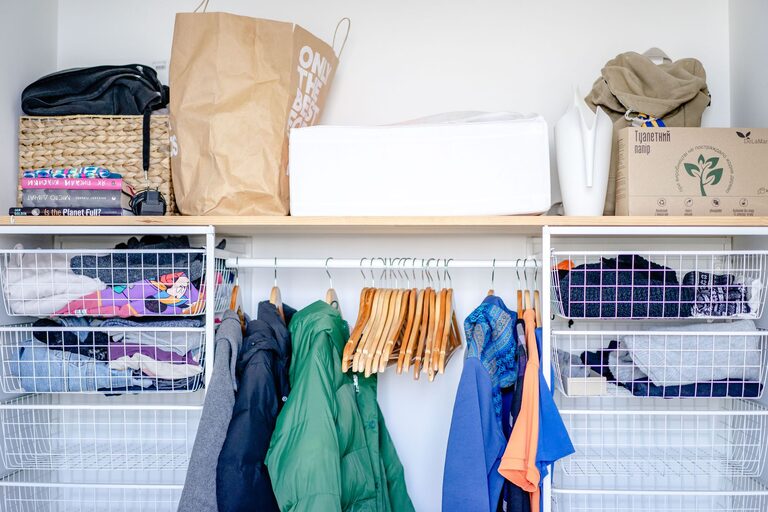
– Install extra shelves or hanging organizers: Maximize vertical space inside closets or storage areas.
– Rotate clothes regularly: Keep only the current season’s clothes in your main wardrobe and pack away the rest in containers that fit under beds or in closets.
– Consider garment racks with covers: These racks can hold off-season clothes and be covered to protect from dust while being easily accessible.
Final Thoughts
Efficiently storing seasonal clothes is a simple way to keep your wardrobe tidy, protect your garments, and reduce stress during season changes. With a bit of planning, the right containers, and careful preparation, you can preserve your clothes and enjoy a more organized home all year long.
Remember, the key steps are sorting, cleaning, choosing proper storage, and organizing well. Try these tips to make your next seasonal wardrobe swap smoother and more enjoyable!