







Choosing a notebook may seem like a simple task, but finding one that you’ll actually use regularly can be surprisingly tricky. Whether you want to jot down daily thoughts, plan your schedule, or sketch ideas, the right notebook can make the difference between productive habits and abandoned pages. In this guide, we’ll walk you through practical tips to help you select a notebook that suits your lifestyle and keeps you inspired to write.
Understand Your Purpose
Before you start browsing, consider why you want a notebook in the first place. The purpose will guide many of your choices.
– Journaling: If you want to write personal reflections or keep a diary, look for something that feels comfortable and inviting.
– Work or School Notes: Prioritize organization features like sections or numbered pages.
– Creative Sketching: Choose notebooks with thicker, blank, or dot-grid pages to accommodate drawing.
– Planning and Lists: A compact size with a structured layout may help keep you on track.
Knowing your primary use will help you narrow down the options.
Choose the Right Size and Format
Notebooks come in a variety of sizes and formats. Consider where and how you’ll use it most.
Size
– Pocket-sized (A6 or smaller): Great for on-the-go note-taking but limited space.
– Medium-sized (A5): Offers a good balance for daily use; fits in most bags.
– Large (A4 or bigger): Ideal for detailed notes or sketches but less portable.
Format
– Ruled (lined): Best for writing.
– Blank: Perfect for doodling or sketching.
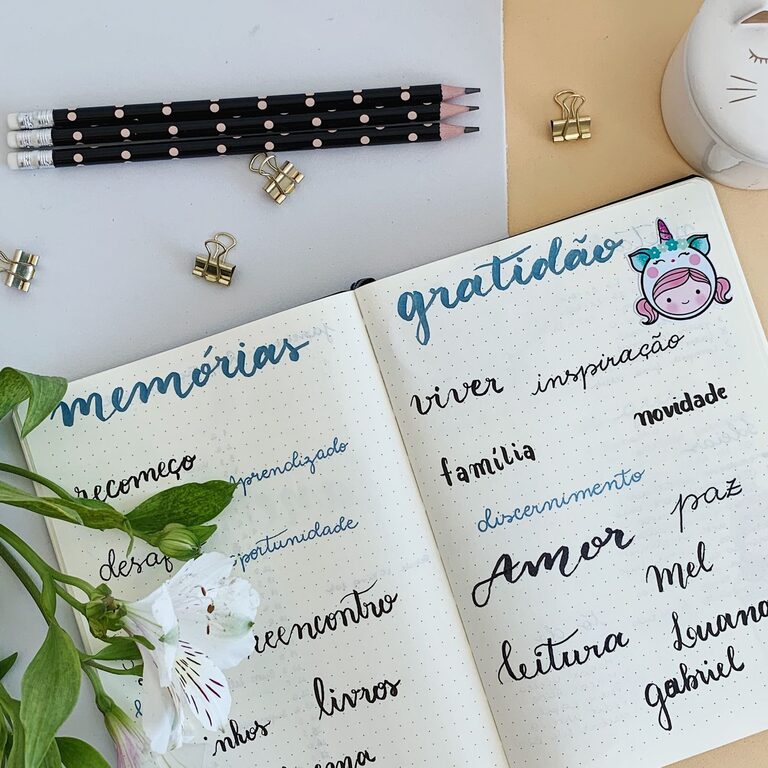
– Grid or Dot-grid: Great for bullet journaling or designing layouts.
If you’re undecided, dot-grid notebooks are versatile and popular among many users.
Paper Quality Matters
The feel of the paper impacts your writing experience more than you might expect.
– Weight: Heavier paper (measured in gsm) is less likely to bleed through or wrinkle. For example, 80gsm or higher is suitable for most pens.
– Texture: Smooth paper is easier for writing with ballpoint and gel pens, while textured paper is better for pencils or markers.
– Color: Bright white paper offers high contrast, whereas cream or off-white is easier on the eyes during long writing sessions.
If you use fountain pens or markers, look for notebooks designed to prevent bleed-through.
Binding and Durability
How the notebook is bound affects its longevity and usability.
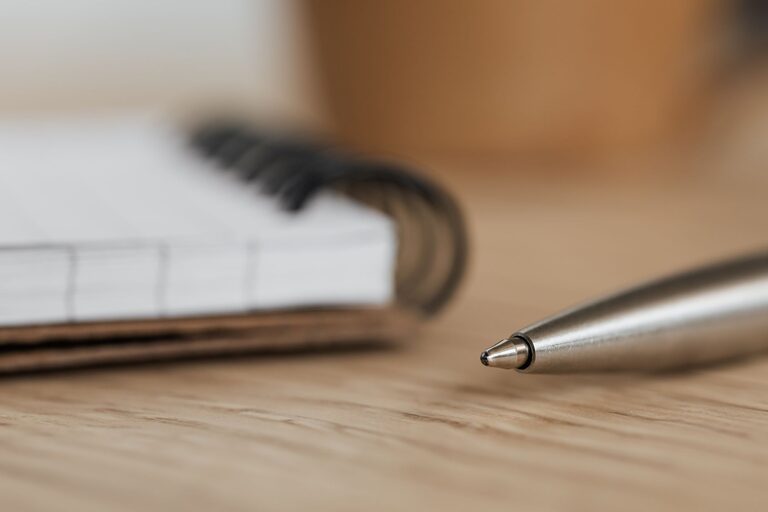
– Spiral-bound: Lays flat easily and allows pages to be turned fully around.
– Thread-sewn or Smyth-sewn: More durable and can lie flat, perfect for long-term use.
– Glue-bound (perfect binding): Sleek but may not lay flat; pages might come loose over time.
Also, consider the cover. Hardcovers protect your notes better, while softcovers are lighter and more flexible.
Design and Extras
Aesthetics can inspire you to pick up your notebook more often.
– Choose a cover design that you find appealing or calming.
– Some notebooks include extras like built-in bookmarks, elastic bands, pockets, or numbered pages.
– Consider whether the notebook has perforated pages for easy removal if needed.
These small details enhance the overall experience.
Test Before You Commit
If possible, visit a store to feel the notebook before buying.
– Flip through pages to check the paper quality.
– Open the notebook flat to see how the binding holds up.
– Hold and carry it to ensure the size feels right.
If shopping online, look for reviews that mention these factors.
Tips to Make Your Notebook a Habit
Once you have the right notebook, here are some ways to use it consistently:
– Keep it visible and nearby, like on your desk or in your bag.
– Set aside a few minutes each day to write or doodle.
– Personalize it with stickers or tabs to make it your own.
– Don’t worry about perfection—let it be a tool, not a task.
Conclusion
The best notebook for you is one that fits your purpose, feels good to use, and inspires you to open it daily. By considering size, format, paper quality, binding, and design, you can find a notebook that supports your goals and becomes a trusted companion throughout your day. Happy writing!